Technology
Tokenization and stablecoins may weather Democrats' sweep as broader crypto rules face uncertainty
By Marcus Chen
Advertisement · Why this ad?
Katherine oversees editorial operations across all six brands. Before joining The Meridan Group, she spent 14 years at the Minneapolis Star Tribune, where she led the metro desk through its digital transformation. She holds a Master's in Journalism from Northwestern's Medill School.
More from Katherine →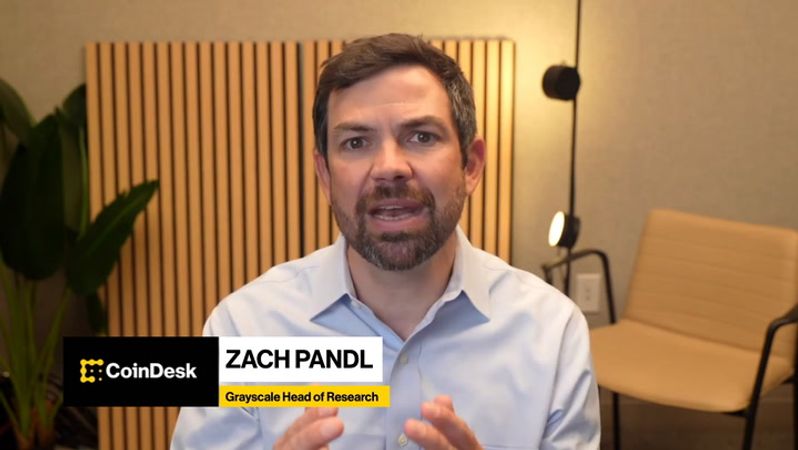
On a brisk autumn morning in New York City, the vibrant energy of Wall Street is palpable. Traders bustle about, their eyes glued to screens displaying the latest market trends. Among them, a subtle yet significant shift is unfolding in the world of cryptocurrency. As the sun rises over the skyline, the hopes of major players like Grayscale and BlackRock appear to be dimming in the face of regulatory hurdles and market volatility.
In recent months, the cryptocurrency landscape has witnessed a turbulent ride, with significant implications for institutional investors. Grayscale Investments, a prominent player in the crypto space, has faced legal challenges in its bid to convert its flagship Bitcoin Trust into an exchange-traded fund (ETF). The U.S. Securities and Exchange Commission (SEC) has rejected multiple applications for Bitcoin ETFs, citing concerns over market manipulation and investor protection.
Meanwhile, BlackRock, the world’s largest asset manager, has also been navigating the regulatory labyrinth. Despite its reputation and resources, the firm has encountered delays in its own ETF applications. The SEC’s stringent requirements have left many in the industry questioning the future of cryptocurrency investments in the traditional financial sector.
The SEC’s cautious stance on cryptocurrency ETFs stems from a broader concern about the integrity of the markets. According to SEC Chair Gary Gensler, the agency is committed to ensuring that investors are adequately protected. This has led to a wave of uncertainty among institutional investors, who are eager to enter the market but are wary of potential regulatory repercussions.
In a recent statement, Gensler emphasized the need for a regulatory framework that addresses the unique challenges posed by cryptocurrencies. "We want to ensure that the markets are fair and transparent, and that investors know what they are getting into," he said. This commitment to investor protection, while necessary, has inadvertently stifled innovation in the rapidly evolving crypto space.
The implications of these regulatory challenges extend beyond Wall Street. Local businesses and communities that have embraced cryptocurrency as a means of transaction are feeling the pinch. In neighborhoods across New York City, small retailers have begun accepting Bitcoin and other digital currencies, hoping to attract tech-savvy customers.
For instance, a local coffee shop in Brooklyn has seen a surge in customers since it began accepting Bitcoin payments. Owner Maria Gonzalez shared her experience, stating, "It’s been amazing to see how many people are interested in using crypto to pay for their coffee. It’s a new way to connect with our community." However, with the uncertainty surrounding regulations, many small business owners are hesitant to fully commit to cryptocurrency as a payment option.
In addition to coffee shops, other businesses such as restaurants, boutiques, and tech startups are also exploring the potential of cryptocurrency. For example, a popular eatery in Manhattan, known for its innovative menu, recently started accepting Ethereum. Owner James Lee explained, "We want to be at the forefront of technology and cater to our younger clientele. But with the current regulatory landscape, it’s a gamble that we’re not entirely sure about. We hope for clearer guidelines soon."
The hesitance among local businesses to fully embrace cryptocurrency is not just a matter of personal choice; it has broader implications for the economic landscape of New York City. As businesses struggle to navigate the regulatory uncertainties, the potential for job creation in the tech and finance sectors is stunted. Local entrepreneurs who might have invested in blockchain technology or cryptocurrency ventures are holding back, waiting for a more stable regulatory environment.
Moreover, the community's interest in cryptocurrency has sparked the emergence of local meetups and educational workshops. Groups like the NYC Crypto Meetup are gaining traction, bringing together enthusiasts, investors, and skeptics alike to discuss the future of digital currencies. Events often feature guest speakers from the crypto industry and provide a platform for networking and knowledge-sharing. Such initiatives are crucial in fostering a community that is informed and engaged with the evolving financial landscape.
Despite the regulatory headwinds, both Grayscale and BlackRock remain optimistic about the future of cryptocurrency. Grayscale has been vocal about its commitment to advocating for regulatory clarity. The firm’s CEO, Michael Sonnenshein, recently stated, "We believe that a Bitcoin ETF is inevitable, and we will continue to work with regulators to make that a reality." This determination is backed by a growing demand from institutional investors who are increasingly looking to diversify their portfolios with digital assets.
Similarly, BlackRock’s Chief Investment Officer, Rick Rieder, expressed confidence in the long-term potential of cryptocurrencies. "While the current landscape is challenging, we see tremendous growth opportunities in digital assets. The key is to navigate the regulatory environment effectively," he remarked. This determination reflects a broader sentiment within the industry that, despite the challenges, the demand for cryptocurrency remains strong.
As institutional players like Grayscale and BlackRock push for regulatory clarity, the broader financial landscape is also evolving. Traditional financial institutions are increasingly recognizing the potential of blockchain technology and digital currencies. Banks are exploring ways to integrate cryptocurrency services, while investment firms are launching crypto-focused funds to meet the growing interest from clients.
Moreover, the rise of decentralized finance (DeFi) platforms has introduced new opportunities for investors and consumers alike. These platforms allow users to lend, borrow, and trade assets without the need for intermediaries, challenging the traditional banking model. However, the lack of regulation in this space raises concerns about security and fraud, further complicating the conversation around cryptocurrency.
As we move into the final quarter of the year, the outlook for cryptocurrency remains uncertain yet hopeful. The ongoing dialogue between industry leaders and regulators will be crucial in shaping the future of digital assets. For investors, the key will be to stay informed and adaptable in an ever-changing landscape.
In the meantime, educational initiatives aimed at demystifying cryptocurrency for the general public are gaining traction. Organizations such as the NYC Department of Consumer Affairs are working to provide resources that help individuals understand the risks and benefits of investing in digital currencies. Workshops and seminars are being organized to educate both consumers and businesses on how to navigate this new financial landscape.
As Grayscale, BlackRock, and other financial institutions continue to press for regulatory clarity, the hope remains that a balanced approach can be achieved—one that fosters innovation while ensuring investor protection. The journey ahead may be fraught with challenges, but the resilience of the crypto community and its advocates suggests that brighter days lie ahead. As local businesses adapt and innovate, the potential for cryptocurrency to transform the way we conduct transactions in our communities remains an exciting prospect. The future of cryptocurrency in New York City, and beyond, hinges on a collective effort to create a supportive ecosystem that embraces both technological advancement and regulatory responsibility.
By Marcus Chen

By Katherine Langford

By Katherine Langford

By Katherine Langford