
Technology
The election changes Washington. The work on crypto continues
By Marcus Chen
Advertisement · Why this ad?
Katherine oversees editorial operations across all six brands. Before joining The Meridan Group, she spent 14 years at the Minneapolis Star Tribune, where she led the metro desk through its digital transformation. She holds a Master's in Journalism from Northwestern's Medill School.
More from Katherine →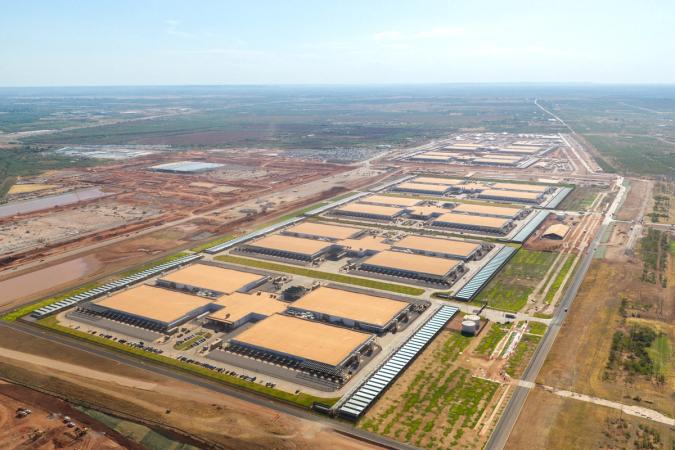
In the heart of Manhattan, the buzz surrounding artificial intelligence (AI) has reached a fever pitch, with investment firms and tech giants scrambling to secure their foothold in an ever-evolving digital landscape. Just last month, a group of executives from leading financial institutions gathered at a high-profile conference to discuss the future of AI and its implications for global markets. Among the key topics was the burgeoning demand for data centers, particularly in regions like Texas, where favorable regulations have made it a hotspot for tech expansion. Yet, as the Texas election cycle heats up, concerns about potential regulatory shifts have begun to cast a shadow over this booming sector.
The recent election in Texas has sparked a renewed debate about the future of AI data centers in the state. As candidates campaign on platforms that may include changes to energy policies and data privacy regulations, investors are left to ponder the potential consequences for their multi-billion dollar investments. According to a report from the Texas government, the state has seen a surge in data center construction, with over $10 billion invested in the last year alone. This growth has been driven by the demand for AI processing power, with firms eager to harness the capabilities of machine learning and cloud computing.
However, the political landscape is shifting. Candidates are increasingly vocal about their intentions to regulate the tech sector more heavily, raising questions about the sustainability of this rapid growth. The Axios report highlights that some politicians are advocating for stricter energy regulations that could affect the operational costs of data centers, which are notoriously energy-intensive.
Local communities in Texas are beginning to voice their concerns as well. Residents of areas where new data centers are being constructed are raising alarms about environmental impacts and increased traffic. “We want to support innovation, but not at the cost of our community’s health,” said Maria Gonzalez, a resident of a small town near Austin that has seen a surge in data center proposals. “We need to ensure that our voices are heard in this discussion.”
In addition to concerns about health and environmental impact, residents are worried about the strain on local infrastructure. With the influx of workers and increased traffic, towns like Gonzalez's are grappling with the potential for overcrowding and the need for expanded public services. Local leaders are now advocating for community impact assessments to be a prerequisite for any new data center projects. “It’s not just about jobs; it’s about quality of life,” remarked John Mitchell, a city council member in a nearby town. “We need to ensure that our community can handle the changes that come with these developments.”
The community's reaction is not isolated to Texas alone. As Wall Street firms contemplate the implications of these elections, they are also considering the broader societal impacts of their investments. Many are beginning to prioritize corporate responsibility, recognizing that long-term success is tied to the well-being of the communities in which they operate. This shift in perspective is echoed by industry leaders who are advocating for a balanced approach to technology development.
With the Texas elections looming, investment strategies tied to AI data centers are under increased scrutiny. Financial analysts are advising firms to reassess their portfolios in light of potential changes to regulations. “Investors need to be aware of the risks associated with political changes,” noted John Smith, a financial analyst at Morgan Stanley. “A shift in policy could lead to increased costs and impact the viability of these projects.”
This caution is not unfounded. In recent years, several states have enacted legislation that affects tech infrastructure, and Texas could follow suit. The implications of such changes could reverberate through the investment community, altering the landscape for data center development and AI innovation.
Moreover, the rise of AI has prompted a broader discussion about the ethical implications of technology. Investors are increasingly aware that their financial backing extends beyond just profit margins; it encompasses social responsibility and environmental stewardship. As more firms adopt ESG (Environmental, Social, and Governance) criteria in their investment strategies, the pressure mounts for data centers to demonstrate their commitment to sustainable practices.
As the Texas elections approach, stakeholders are bracing for a potential shift in the regulatory environment. Investors are keeping a close eye on the candidates' platforms, particularly those concerning technology and energy. The stakes are high; a change in leadership could lead to policies that either foster or hinder the growth of AI data centers in the state.
Moreover, this situation is emblematic of a larger trend affecting the tech industry nationwide. As cities and states grapple with the implications of rapid technological advancement, the balance between innovation and regulation will be critical. The outcomes of the Texas elections could serve as a bellwether for how other regions approach similar challenges.
In light of these developments, community engagement will be essential. Local governments and tech companies must work together to address the concerns of residents while also promoting growth. Initiatives that foster dialogue between stakeholders can help ensure that the benefits of technological advancements are shared equitably. Town hall meetings, workshops, and open forums can provide platforms for residents to voice their opinions and for companies to outline their plans transparently.
Furthermore, as companies look to expand their operations, they will need to prioritize sustainable practices that align with community values. This approach not only protects the environment but also builds trust and support among residents, which is crucial for long-term success. Companies like Google and Microsoft have already begun implementing renewable energy solutions in their data centers, setting a precedent for others in the industry.
As Wall Street recalibrates its strategies in response to these evolving dynamics, the interplay between technology, community, and regulation will be more important than ever. The decisions made in the coming months will shape the future of AI data centers, impacting not just investors but the communities they inhabit. The potential for a collaborative approach to technology development could pave the way for a more sustainable and inclusive tech industry, ensuring that innovation benefits all stakeholders involved.
By Marcus Chen

By Marcus Chen

By Katherine Langford

By Marcus Chen