
Business
India Sees Some Trade Relief, New Risks After US Midterm Vote
By Katherine Langford
Advertisement · Why this ad?
Marcus manages the day-to-day editorial workflow across all brands, coordinating coverage assignments and ensuring editorial standards are met. He previously served as city editor at the Pioneer Press and holds a degree in Political Science from Carleton College.
More from Marcus →
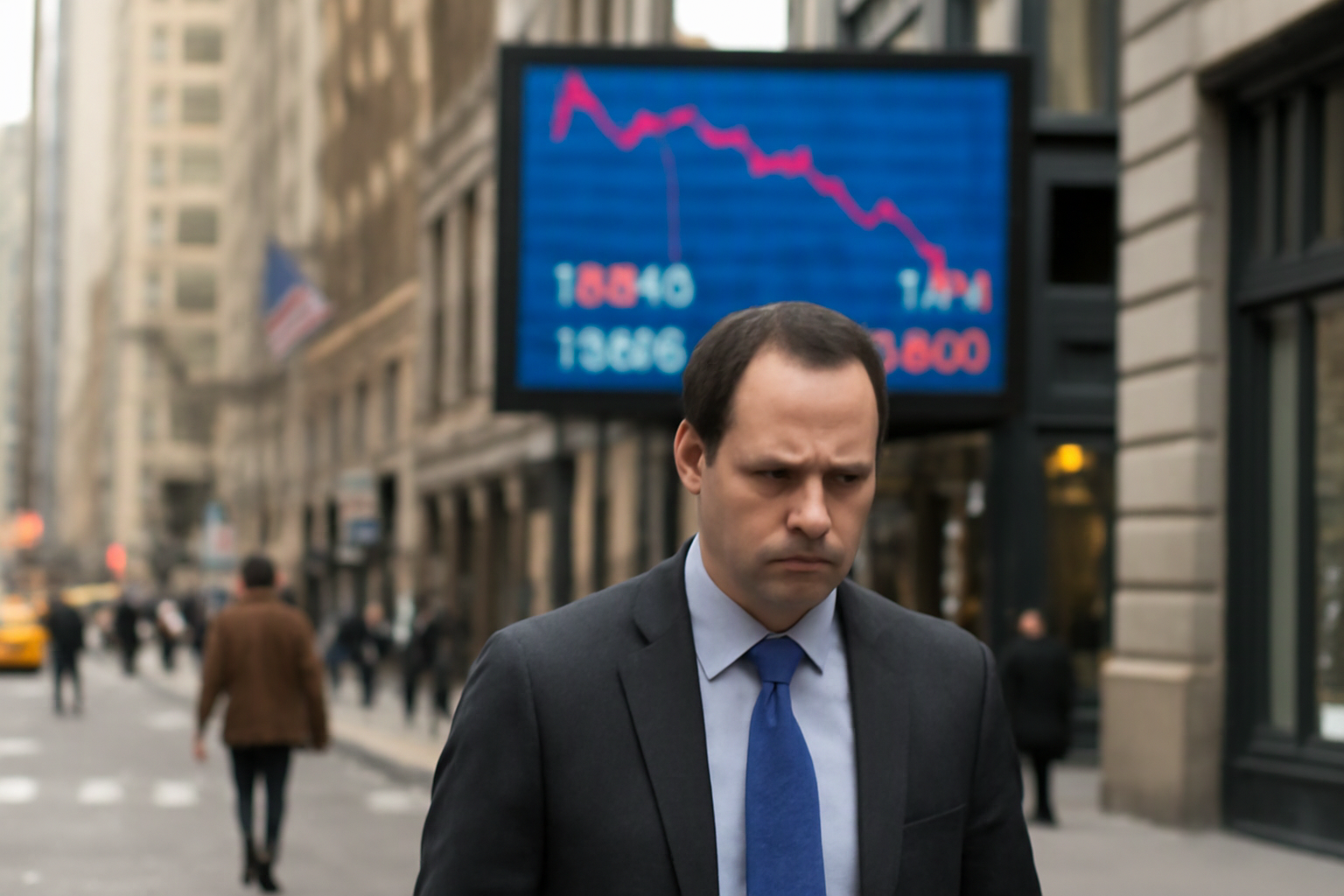
As the sun dipped below the horizon on Election Day, traders in New York City watched intently as early results began to roll in. The atmosphere was tense, with millions of dollars hanging in the balance, and the stakes couldn't have been higher. When the news broke that the Democrats were poised to win both the House and Senate, the reaction was immediate. The U.S. dollar plummeted, marking its worst performance in a month, while the Swiss franc and Japanese yen emerged as unexpected winners in the currency markets.
On the evening of November 8, 2022, as the first polls closed, the financial world braced for impact. The dollar's decline was swift and pronounced, dropping significantly against major currencies. Analysts attributed this downturn to the shifting political landscape, which signaled potential changes in fiscal policy and economic direction. The Swiss franc surged by 1.5% against the dollar, while the Japanese yen followed suit with a 1.2% increase. This marked a stark contrast to the dollar's performance, which had been relatively stable in the weeks leading up to the election.
The immediate aftermath of the election results saw traders reassessing their positions. The dollar index, which measures the currency against a basket of others, fell to its lowest level in weeks. Market participants speculated that a Democratic-controlled Congress could lead to increased government spending and a more accommodative monetary policy, which, while beneficial in some respects, raised concerns about inflation and the dollar's strength.
The reaction from the financial markets was palpable. Forex traders quickly adjusted their strategies in light of the new political reality. The rise of the franc and yen was not merely a reflection of the election results but also a broader sentiment regarding the U.S. economy's outlook. Investors began flocking to safe-haven currencies amid uncertainty, with the Swiss franc often viewed as a reliable store of value.
Traders at major financial institutions, such as Goldman Sachs and JPMorgan Chase, reported a flurry of activity as they re-evaluated their portfolios. Many traders shared their thoughts on the implications of the election results. “The markets are always looking for stability, and a divided Congress can create uncertainty,” commented Greg Thompson, a senior forex trader. “The immediate reaction is often an overreaction, but we have to prepare for a volatile market in the coming weeks.”
The implications of a weaker dollar extend beyond the borders of the United States. A declining dollar can make U.S. exports cheaper for foreign buyers, potentially boosting American businesses that rely on international sales. However, it also raises the cost of imports, which could squeeze consumers and businesses that depend on foreign goods. This complex dynamic creates a tug-of-war between benefiting exporters and burdening importers.
In the wake of the election, economists began analyzing how the shift in power might influence trade policies. A Democratic majority could lead to more progressive trade agreements, which might favor American workers but complicate relations with trading partners. The delicate balance of maintaining competitive exports while managing import costs will be a focal point for policymakers in the coming months.
Local exporters, such as New York-based tech companies and fashion brands, are particularly keen on how these changes will affect their operations. For instance, a spokesperson for a local tech startup commented, “If the dollar remains weak, our products will be more competitive overseas, but we need to watch our supply chain costs closely.”
For everyday New Yorkers, the fluctuations in currency values may seem distant, but they can have real consequences. Local businesses that import goods from abroad may face higher costs, leading to potential price increases for consumers. Conversely, businesses that export goods could see a boost in demand, translating to job growth and economic stability.
Small business owners in the city, particularly in the retail and manufacturing sectors, are closely monitoring these changes. Some have already begun to adjust their pricing strategies in anticipation of rising costs. Maria Gonzalez, owner of a boutique in SoHo, expressed her concerns: "If the dollar keeps falling, I might have to raise prices on imported goods, and that could drive customers away."
Moreover, community organizations are gearing up to support local businesses in navigating these changes. The New York Small Business Development Center has announced workshops aimed at helping entrepreneurs understand the currency fluctuations and how to adjust their business models accordingly. “It’s crucial for our local businesses to be prepared and informed,” said program director Linda Chen.
The future of the dollar and its standing in the global market will depend significantly on the actions taken by the new Congress. As lawmakers begin to outline their agendas, stakeholders from various sectors will be watching closely. The potential for increased government spending could stimulate economic growth, but it also raises questions about the long-term sustainability of such policies.
Financial analysts predict that the dollar may continue to experience volatility as political developments unfold. With the Federal Reserve also navigating its own path in terms of interest rates and inflation control, the interplay between domestic policy and international currency markets will be critical.
As we move into the new year, the focus will be on how the new Congress addresses economic challenges. Will they prioritize infrastructure spending, healthcare reforms, or climate change initiatives? Each of these decisions will have repercussions on the dollar's strength and the broader economy.
For those looking to delve deeper into the implications of these currency shifts, several resources are available. The Federal Reserve provides insights into monetary policy and its effects on the economy. Additionally, the World Bank offers comprehensive data on global trade and currency trends.
Local chambers of commerce, such as the New York City Chamber of Commerce, can provide information on how these changes impact local businesses. Furthermore, financial news outlets like Bloomberg and Reuters offer real-time updates on market conditions.
As the community prepares for the potential economic shifts ahead, staying informed and engaged will be key. Local forums and discussion groups are being organized to facilitate conversations among business owners and economists, fostering a collaborative approach to navigating the uncertain waters of currency fluctuations.
By Katherine Langford
By Marcus Chen

By Marcus Chen

By Marcus Chen