
Business
Wall Street Girding for US Debt Ceiling Showdown in 2027
By Marcus Chen
Advertisement · Why this ad?
Katherine oversees editorial operations across all six brands. Before joining The Meridan Group, she spent 14 years at the Minneapolis Star Tribune, where she led the metro desk through its digital transformation. She holds a Master's in Journalism from Northwestern's Medill School.
More from Katherine →
As the sun rose over the iconic skyline of New York City, a palpable sense of optimism filled the air, reflecting the recent outcomes of the U.S. midterm elections. Investors and analysts alike were keenly aware that the results could reshape not only the political landscape but also the economic one, particularly in the context of European markets. On the morning following the elections, European stocks showed a notable uptick, driven by strong performances in the renewable energy sector and banking, signaling a potential shift in investment dynamics.
In the wake of the midterm elections, the Democratic Party's control of both chambers of Congress has sparked renewed confidence among investors. European stocks have responded positively, with indices reflecting an overall increase in market value. The gains in the renewable energy sector were particularly pronounced, as companies focused on sustainable solutions saw their share prices rise sharply. This trend underscores a growing commitment to green technologies, which many analysts believe will be a focal point of future economic policy.
Banking stocks also witnessed a significant boost, as the shift in political power is anticipated to lead to more favorable regulatory environments. Investors are hopeful that the Democrats' approach to fiscal policy will favor a more stable economic climate, which in turn could benefit financial institutions. The juxtaposition of these two sectors—renewables and banks—illustrates a broader trend towards sustainability in investing, aligning with the values of many modern investors.
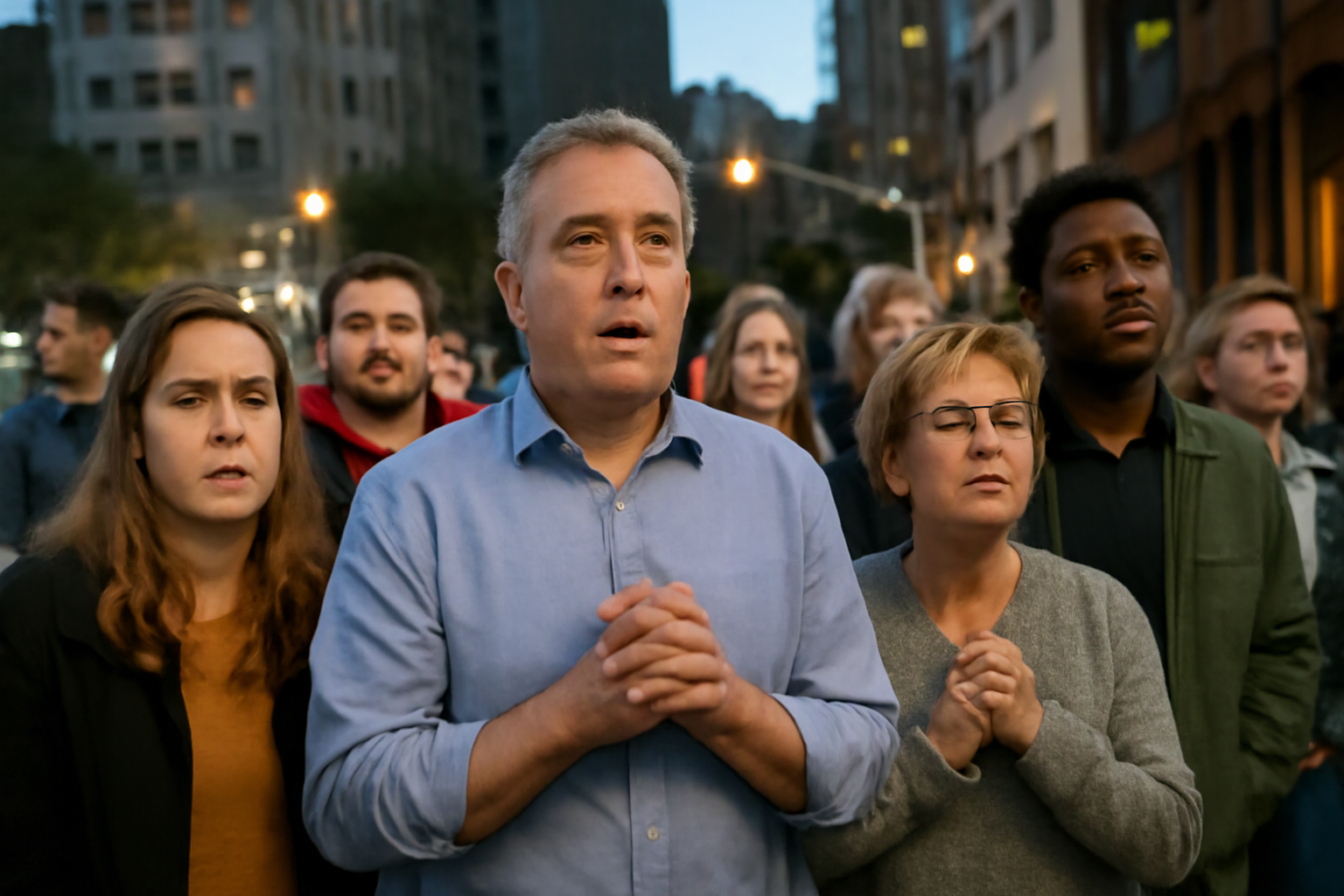
The reactions from local businesses and investors in New York City have been overwhelmingly positive. Many are expressing relief and optimism, viewing the election results as a potential catalyst for economic growth. Small business owner Maria Gonzalez, who operates an eco-friendly café in Brooklyn, noted, "With the Democrats in control, I feel hopeful that there will be more support for green initiatives. It’s about time we prioritize sustainability."
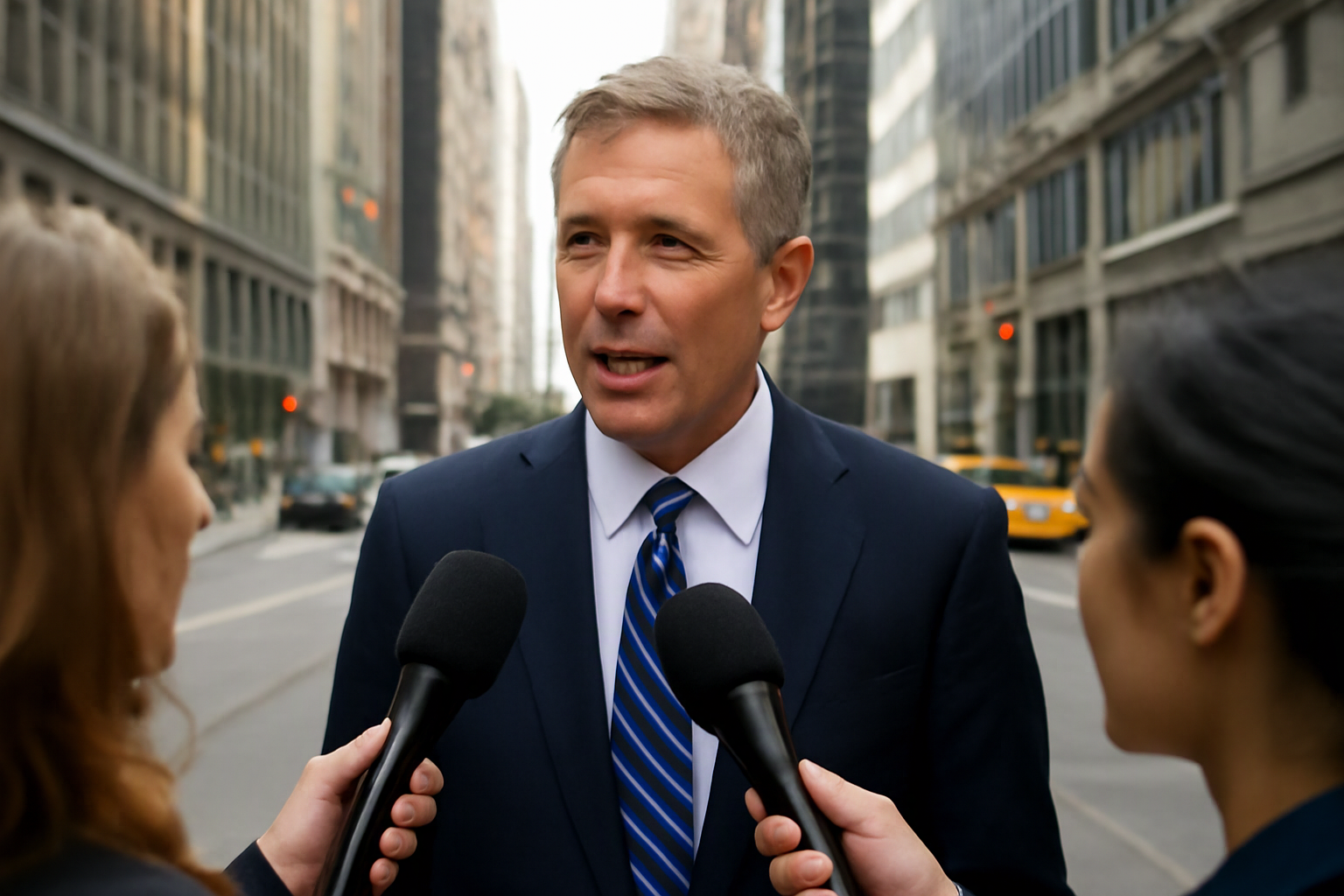
The sentiment is echoed by financial analyst James Whitaker, who stated, "The rise in renewable stocks is not just a fluke; it’s indicative of a larger shift in consumer preferences and corporate responsibility. As more people demand environmentally friendly options, businesses will have to adapt or risk losing their market share." This shift is being felt across various sectors, with many local firms beginning to pivot towards more sustainable practices.
Furthermore, the banking sector's positive response has been felt across the city, with many financial institutions beginning to invest more heavily in renewable projects. This trend not only supports the local economy but also aligns with the community’s values of fostering a sustainable future. The interconnectivity of these sectors illustrates how political changes can have far-reaching implications for local economies and communities.
As the renewable energy sector expands in response to both political shifts and consumer demand, job creation is expected to follow suit. Local employment opportunities in areas such as solar panel installation, energy efficiency consulting, and green technology development are likely to see significant growth. According to the New York State Energy Research and Development Authority (NYSERDA), the clean energy sector has already been one of the fastest-growing job markets in the state, and this trend is expected to accelerate.
Community colleges and vocational schools in New York City are responding to this demand by ramping up training programs in renewable energy technologies. For instance, the City University of New York (CUNY) has introduced specialized courses aimed at equipping students with the skills necessary to thrive in this burgeoning field. Local resident and aspiring solar technician, David Lee, expressed his excitement about these developments, stating, "I’m thrilled to see more opportunities in green jobs. This is not just a career for me; it’s a chance to contribute to something bigger for our planet."
Looking ahead, analysts are keen to monitor how these political changes will influence both European and American markets in the coming months. The focus on renewable energy is expected to intensify, with many companies preparing to unveil new initiatives aimed at reducing carbon footprints and investing in sustainable technologies. This could lead to a surge in job creation within the green sector, further bolstering local economies.
Additionally, the banking sector is likely to adapt its strategies to align with the evolving regulatory landscape. As financial institutions begin to prioritize sustainability, we may see a reevaluation of investment portfolios across the board. Investors will need to stay informed about these shifts to make educated decisions moving forward.
The ramifications of the U.S. midterm elections extend beyond the borders of the United States. European markets, heavily influenced by American economic policies, are poised for adjustments that could reverberate globally. Investors in Europe are closely watching how U.S. policies regarding climate change and fiscal responsibility might set the tone for international agreements and collaborations. The European Union has already committed to ambitious green targets, and a Democratic-controlled Congress may bolster transatlantic partnerships focused on sustainability.
Moreover, as global supply chains continue to evolve, businesses in New York and Europe are likely to explore new avenues for collaboration in renewable technologies. Partnerships between American and European firms could lead to innovative solutions that address climate challenges while also driving economic growth.
Local governments in New York City are also playing a crucial role in fostering this shift towards renewable energy and economic growth. Mayor Eric Adams has emphasized the importance of sustainability in his administration, advocating for policies that support clean energy initiatives. His administration's focus on green jobs aligns with the sentiments of many New Yorkers who are eager to see their city lead in the fight against climate change. The city's commitment to reducing greenhouse gas emissions by 80% by 2050 is a testament to this direction.
Furthermore, initiatives like the NYC Clean Energy Program aim to facilitate the transition to renewable energy sources by providing incentives for businesses and homeowners to adopt solar energy solutions. These local policies not only stimulate job growth but also enhance the quality of life for residents by promoting cleaner air and a healthier environment.
In conclusion, the recent midterm elections have ushered in a wave of optimism for both European stocks and local businesses in New York City. The gains in the renewable energy and banking sectors are not merely a reflection of immediate market reactions but signify a broader transformation in investment priorities. As the community rallies around sustainable practices and responsible investing, the potential for economic growth becomes intertwined with a commitment to environmental stewardship. The coming months will be crucial as stakeholders navigate this new landscape, and the hope is that this momentum will lead to a more prosperous and sustainable future for all.
By Marcus Chen
By Katherine Langford

By Katherine Langford
By Katherine Langford